
 简体中文
简体中文Search for More Information


How to select a linear module is a challenge that no automation engineer must face. To complete a good automation process, what hardware problems do we need to face?
1. The environment in which the linear module is used (high temperature, high humidity, dust, oil, etc.);
2. Installation methods for linear modules: horizontal installation, wall installation, vertical installation, hoisting, etc;
3. Is the module built using a single axis or a combination of multiple axes: single axis robotic arm, cross module, XYZ three-axis linear module, gantry module, I-shaped module;
4. Linear module travel, single axis travel, multi axis travel,
5. Load: Weight of single or multi axis load (kg);
6. Operating speed: maximum operating speed (mm/s);
7. Accuracy requirements: Operational accuracy and repeatability accuracy requirements (mm);
8. Motor brand and model (stepper, servo, wattage);
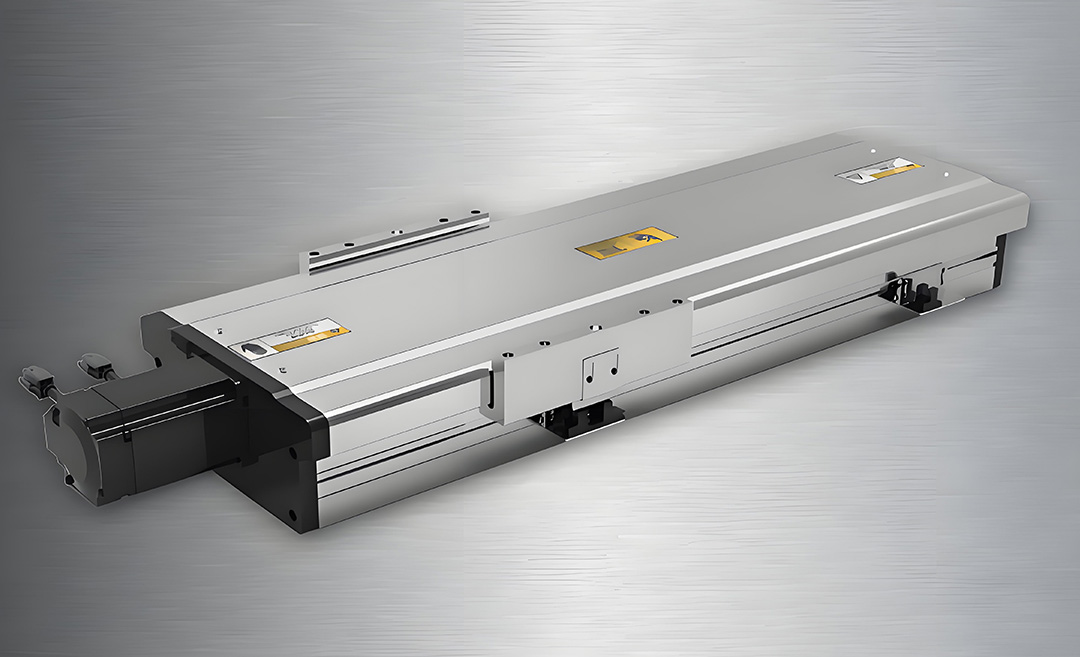
The quality of the selection of linear modules determines the accuracy and lifespan of the machine during subsequent use, including the noise of the linear modules and whether they operate under overload.
The selection of linear modules can be divided into three categories in terms of transmission angle: 1. Screw module transmission, 2. Belt module transmission, and 3. Linear motor transmission;
Linear module selection and usage environment: semi enclosed module (affordable), enclosed module (dustproof, waterproof, etc.);
Linear module selection also has characteristics for use in different automation machinery: 1. Laser processing industry 2. Semiconductor 3C processing 3. Precision testing industry 4. Lithium battery new energy 5. Welding, dispensing, handling, etc